
Rest is an important part of any multi-day trek. When you spend several hours walking through mountain terrain, the way you use your free time can affect how you feel on the following day.
The Everest Base Camp Trek with helicopter return is not only about covering distance. It also includes evenings, meal breaks, quiet mornings, and time between different parts of the route. Using these moments wisely can make the entire experience more comfortable and enjoyable.
Give Your Body a Proper Break
When you reach your tea house after a long day, your first instinct may be to keep moving around or start exploring immediately. Sometimes, the better choice is simply to sit down.
Let Your Legs Relax
Take off your trekking shoes and give your feet some time without pressure. Change into comfortable clothing and allow your body to settle after the day’s walk.
You do not need to fill every free minute with activity. A quiet break can be valuable after several hours on the trail.
Turn Meal Times Into Recovery Time
Meals are more than just stops for food. They are natural opportunities to pause, warm up, and prepare for the next part of your journey.
Eat Without Rushing
Sit comfortably and give yourself enough time to finish your meal. Hot food and drinks can be especially welcome after spending hours outdoors.
Use the meal period to relax rather than immediately thinking about the next destination.
Use Your Evenings to Prepare
Rest does not mean ignoring the following day. A few simple preparations can make your next morning much easier.
Organize Before You Relax
Set out your walking clothes, refill your water bottle, check your daypack, and put important items somewhere easy to find.
Once these tasks are finished, you can enjoy the rest of your evening without worrying about morning preparations.
Keep Your Mind Active in Simple Ways
Mountain evenings can be quiet compared with life in a city. This gives you an opportunity to step away from constant notifications and busy schedules.
Enjoy Conversation
Talk with your trekking partners, guide, or other travelers. People often share interesting stories about their journeys, home countries, and experiences in the mountains.
These conversations can become some of the most memorable parts of the Everest Base Camp Trek with helicopter return.
Spend Some Time Looking Outside
You do not always need an activity to enjoy your surroundings. A window, terrace, or common room may offer a simple view of the mountain landscape.
Watch the Light Change
Mountains can look completely different as daylight fades. Clouds, shadows, and changing sunlight can create a new scene without you moving anywhere.
Take a few quiet minutes to observe it rather than immediately reaching for your phone.
Give Your Feet Extra Attention
Your feet carry you through every stage of a trekking day. Rest time is a good opportunity to notice any discomfort.
Check Your Socks and Shoes
Look for dampness, rubbing, or areas that feel uncomfortable. Changing into dry socks can make a big difference during the evening.
If your footwear needs adjustment, deal with it before the next morning rather than waiting until you are back on the trail.
Use Technology Selectively
It can be tempting to spend every evening scrolling through your phone. However, mountain travel offers a rare chance to disconnect.
Save Your Battery for Useful Moments
Review your photographs, send important messages, and charge your devices when possible. After that, consider putting your phone away for a while.
This gives you more opportunity to experience the people and surroundings directly.
Make Time for Your Trekking Notes
You do not need to write pages about your day. A few sentences can be enough.
Record One Memorable Moment
Write down something you saw, someone you met, a place you enjoyed, or a moment that surprised you.
After the Everest Base Camp Trek with helicopter return, these short notes can help you remember individual days instead of only remembering the final destination.
Understand That Rest Can Be Different Each Day
Not every evening needs to follow exactly the same pattern.
After an easier day, you may have more energy for conversation or photography. After a demanding day, you may prefer a quiet meal and an early night.
Listen to Your Own Routine
Your body may tell you what kind of rest you need. Avoid comparing your energy level with another trekker.
Everyone experiences a multi-day mountain journey differently.
Use Acclimatization Time Wisely
Rest or acclimatization periods are not simply empty days. They can provide an opportunity to explore nearby areas without adding unnecessary pressure to your schedule.
Explore Without Turning It Into Another Trek
If your itinerary includes time for acclimatization, follow the guidance of your trekking team. A short exploration can provide new views and help you understand the surrounding area.
The goal is to enjoy the environment while keeping the overall trekking plan in mind.
Respect the Quiet of Mountain Communities
Evenings in mountain villages can be peaceful. Keep noise levels reasonable and be respectful around homes, religious sites, and shared tea-house spaces.
Follow Local Customs
Small actions matter. Ask before photographing people, avoid disturbing religious activities, and follow instructions at monasteries or other cultural places.
Respectful behavior helps create a better experience for both travelers and local communities.
Make the Final Evening Special
The end of a trek often brings a different feeling. You may realize that your walking days are almost finished.
Take some time to look back at the route you have covered and the places you have seen.
For travelers completing the Everest Base Camp Trek with helicopter return, the final transition from trekking to the helicopter journey can make this feeling even stronger.
Prepare Calmly for the Helicopter
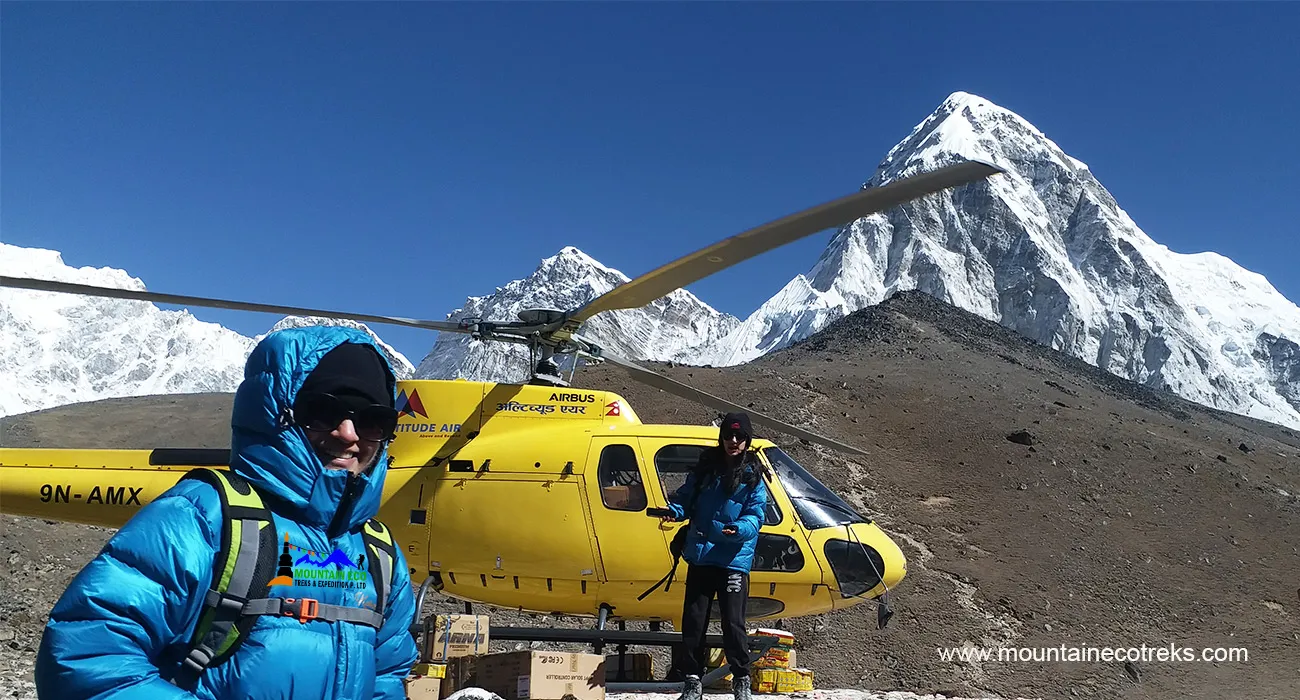
The helicopter return changes the rhythm of the final stage. Instead of preparing for another long walking day, you need to keep your essential belongings accessible and follow the instructions from your trekking team.
Leave Room for Weather Changes
Mountain flight schedules can be affected by weather conditions. Staying flexible is important, even when you have an expected departure time.
Keeping your final arrangements simple can make this transition much easier.
Final Thoughts: Rest Is Part of the Adventure
A successful trek is not only built through strong walking days. It is also shaped by the way you recover between them.
Use your evenings to relax, prepare for tomorrow, enjoy conversations, care for your feet, and appreciate the quiet mountain environment. These moments can add depth to the entire journey.
The Everest Base Camp Trek with helicopter return becomes more enjoyable when rest is treated as part of the experience rather than time that needs to be filled.
Frequently Asked Questions
How much should I rest after a trekking day?
Give yourself enough time to relax before doing anything demanding. Your needs may change depending on the day’s distance and terrain.
What can I do during a quiet tea-house evening?
You can enjoy a meal, talk with other travelers, organize your belongings, review photographs, write notes, or simply relax.
Should I use my phone during rest time?
You can, but consider limiting unnecessary screen time. Saving battery and enjoying the surroundings can be more useful.
Is it useful to prepare for the next day in the evening?
Yes. Preparing clothing, water, and your daypack before sleeping can make the following morning smoother.
What makes rest important on the Everest Base Camp Trek with helicopter return?
Several days of walking can be demanding, so proper rest gives you time to recover and prepare for the next stage of the journey.
Should I expect the helicopter return to happen exactly at a fixed time?
Not necessarily. Mountain weather can influence flight operations, so travelers should remain flexible and follow the guidance of their trekking team.
