
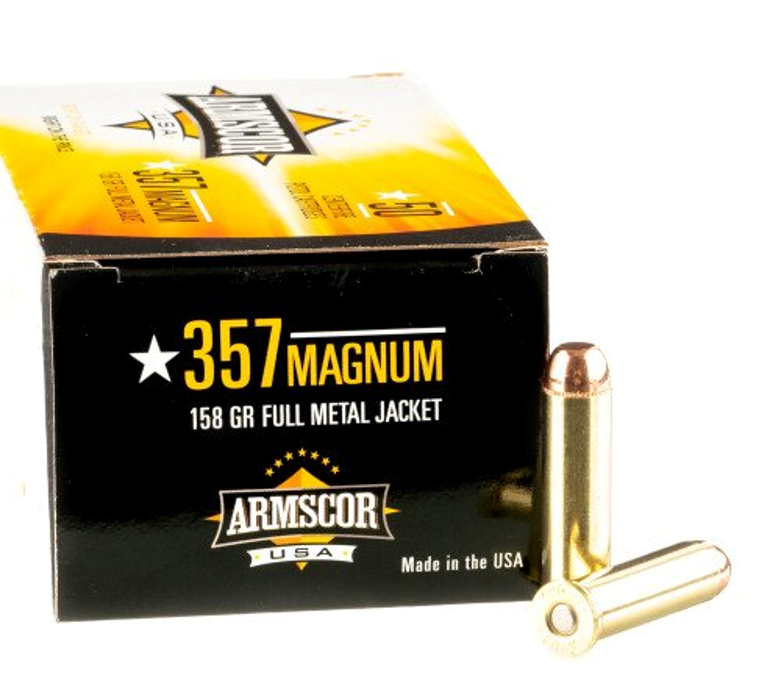
Handgun cartridge names can be surprisingly difficult to understand. Some include measurements, while others reference manufacturers, historical designs, or naming traditions that developed more than a century ago. These conventions explain why two cartridges with similar names may have different specifications. They also reveal how firearm technology and terminology evolved over time. Exploring cartridge history provides useful context for readers interested in technical terminology, historical firearms, and the importance of accurate product identification without relying on appearances or assumptions.
Early Cartridge Names Were Not Standardized
During the nineteenth century, firearm and ammunition development expanded rapidly. Different manufacturers introduced cartridges with their own naming systems, often using measurements that were familiar to customers at the time.
However, those measurements did not always describe the same physical characteristic. Some names referenced approximate projectile diameter, while others reflected historical conventions. As cartridge technology developed, established names frequently remained unchanged, even when the terminology became less descriptive.
This explains why historical cartridge names cannot always be interpreted as precise measurements.
How the 357 Magnum Name Developed
The 357 magnum cartridge emerged during the 1930s as firearm technology and ammunition development continued to evolve. Its introduction reflected growing interest in specialized revolver cartridges and the technical possibilities of contemporary firearm designs.
The name became closely associated with a particular period in American firearms history. Its designation also illustrates how a cartridge name can combine a numerical reference with terminology suggesting a distinct product family.
Historical cartridge names are best understood in their original context rather than interpreted solely through modern measurement conventions.
What Magnum Means in Cartridge Terminology
The word Magnum appears in the names of several different cartridges. Historically, the term became associated with particular cartridge developments and marketing conventions, but it does not represent one universal technical specification.
Two cartridges containing Magnum in their names should not be assumed to share identical dimensions, operating characteristics, or compatibility requirements.
The meaning of a cartridge designation depends on its complete name and documented specifications. This is particularly important when studying older firearms, where historical terminology may differ from current manufacturing language.
How Metric Cartridge Naming Became Common
Metric cartridge designations developed alongside other naming systems and became widely recognized internationally. These designations often contain numerical references to approximate projectile diameter and cartridge case length.
For instance, 9mm ammo is a common informal expression, but the phrase can refer to more than one cartridge designation. The widely known 9×19mm Luger is one example within a broader group of cartridges that include 9mm terminology.
The history of metric naming demonstrates why complete designations are important when discussing cartridge identities.
Why Cartridge Names Sometimes Cause Confusion
Historical naming conventions have created several recurring misunderstandings. Some involve abbreviations, while others arise from different measurement traditions or alternative names used in particular markets.
Common sources of confusion include:
- Historical names that do not precisely reflect modern measurements.
- Similar numerical designations used for distinct cartridges.
- Manufacturer names retained after industry practices changed.
- Informal abbreviations that omit important identifying details.
- Different regional terminology for related cartridge designs.
Understanding these issues helps readers recognize the limitations of familiar cartridge names. It also reinforces the importance of manufacturer documentation when precise identification is required.
The Role of Manufacturers in Naming History
Manufacturers played an important role in shaping cartridge terminology. As new products entered the market, companies developed names intended to distinguish their designs from existing alternatives.
Some designations became widely recognized and continued to be used long after the original manufacturing circumstances changed. Other names reflected regional preferences or particular periods of firearm development.
Historical catalogs, technical publications, and museum collections can provide useful insight into how cartridge terminology changed. These sources also help explain why certain names remain familiar despite changes in manufacturing technology.
Why Historical Knowledge Supports Better Understanding
Studying cartridge history is valuable because it reveals how technical language develops over time. A name that appears straightforward today may have originated from manufacturing practices or marketing traditions that are no longer common.
Historical knowledge should not, however, be treated as a substitute for accurate technical identification. Understanding where a designation came from does not establish whether a cartridge is appropriate for a particular firearm.
Readers should distinguish historical explanations from current manufacturer specifications and safety requirements.
Conclusion
Handgun cartridge terminology reflects generations of manufacturing developments, measurement conventions, and historical naming decisions. These influences explain why cartridge names are not always as straightforward as they appear. Learning the background of common designations can make firearm history more accessible while encouraging greater precision in technical discussions. The most useful lesson is that familiar names provide context, not complete specifications. Accurate identification still depends on authoritative documentation, careful interpretation, and an understanding of how terminology has evolved.
